
The amount of digital data that is generated each day is staggering. Smartphones, laptops and cloud platforms can produce huge quantities of information. Investigative teams are responding to the threat of cybercrime, fraud or terror, insider threats or security issues at work it is no longer locating data. The key is to speedily and precisely identify the right evidence.
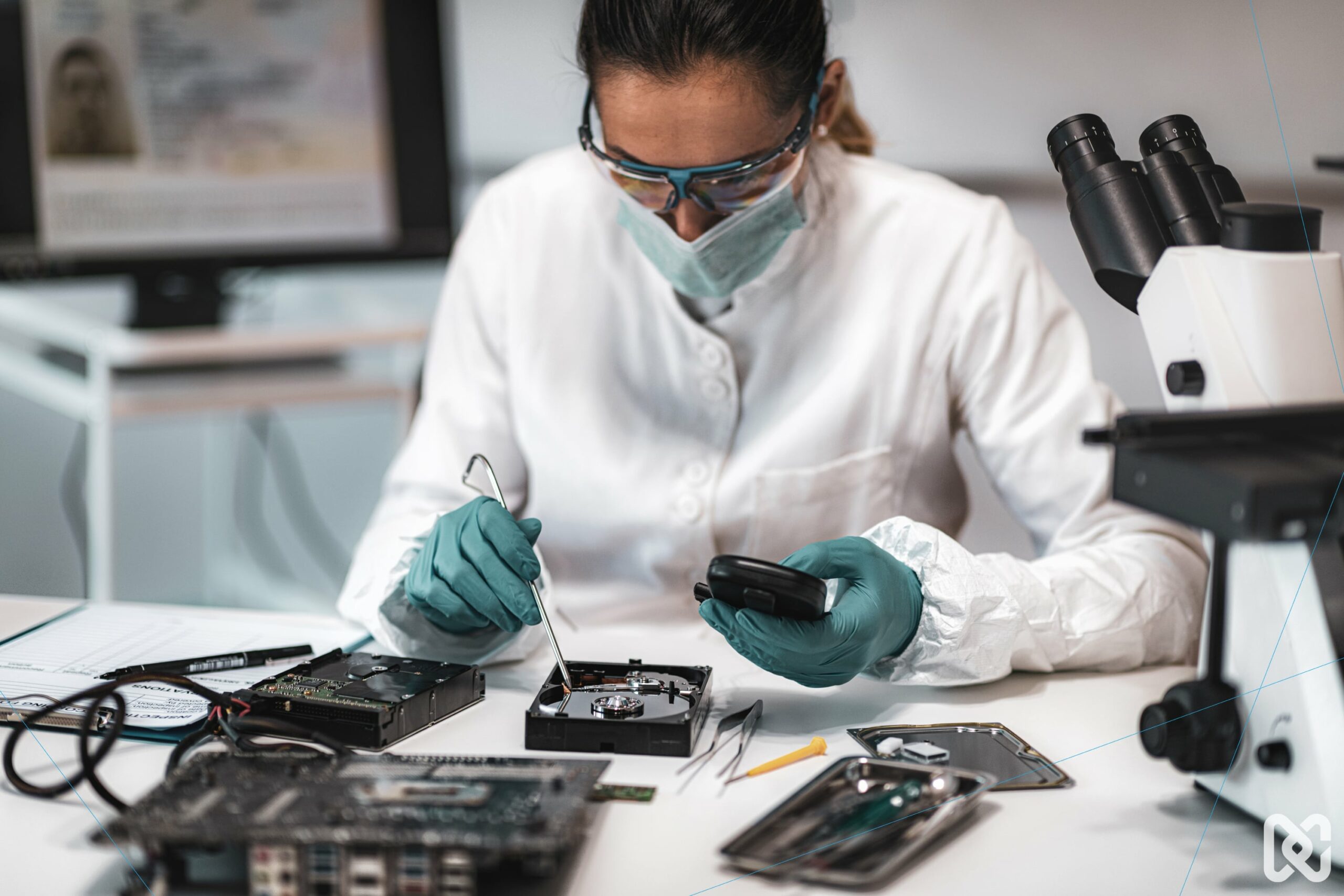
Modern investigations demand tools that can handle huge quantities of data without compromising the reliability or forensic integrity. Teams must be equipped with the ability to deal with increasingly complicated investigative requirements as digital environments continue evolving. Advanced Digital forensics platforms have become indispensable for law enforcement agencies, military units, intelligence organizations, and corporate security teams around the world.
The increasing need for Speed in Investigations
In most investigations, the timing factor is vital. Delays in acquiring, analyzing, or reporting evidence can slow decision-making and increase risk to operations and potentially allow risks to go without being remediated.
The traditional forensic process is usually marked by lengthy periods of acquisition, manual review and the inability to connect systems, which result in inefficiencies during the entire process.
Modern investigators require technology that can quickly collect evidence across a multitude of kinds of devices, while maintaining the highest levels of security and accuracy. Accelerating the acquisition process allows teams to begin their analysis earlier, which can help investigators find actionable intelligence at the most critical moments. Detego Global’s Unified Digital Forensics was created specifically to address these issues. It can speed up each stage of an investigation from collecting evidence to making reports.
Digital Evidence is Not Limited to Computers
A few years ago, investigations focused predominantly on desktop computers and servers. Nowadays, evidence can be found practically everywhere. Mobile devices can store messages pictures, call history, photos videos, location data, as well as activity logs. Smart devices generate usage logs. Drones record images and operational data. Cloud applications can store documents and conversations. Also, removable media IoT devices and other IoT devices can contain significant evidence.
Computer Forensics today requires a broader approach to data collection and analysis than could be accomplished by using traditional methods. Investigators require platforms that can collect and analyze information from a variety of applications and devices, without the need for multiple disconnected tools. Unified solutions reduce complications while increasing operational efficiency.
Artificial Intelligence Is Transforming Investigations
The volume of digital data available in the present day makes manual analysis more difficult. Artificial intelligence has transformed the methods used by investigators to analyze evidence. It helps them identify patterns, connections and crucial data faster than traditional methods.
AI-powered analytics can assist in facial recognition, image classifying transliteration and semantic search, optical character recognition (OCR), object detection, link analysis, and transcription. These capabilities let investigators focus on relevant evidence while reducing the time spent reviewing irrelevant information.
AI-driven Digital Forensics Solutions provide an advantage to organizations that handle large-scale investigations, by increasing the speed and accuracy of investigations.
Modern Security Operations and the Importance of DFIR
Cyber incidents have become more sophisticated and are more frequent in every industry. In the present, businesses are faced with ransomware, insider threat, data breaches, credential thefts and fraud in the financial sector. To effectively respond to these threats, you require a well-planned process for identifying issues in the first place, containing them and then researching and rectifying them. DFIR which is Digital Forensics and Incident Response is an essential part.
DFIR Teams need to collect evidence, understand the techniques used to attack, assess the scope of compromise, help recovery efforts and ensure proper documentation, while ensuring chain-of-custody procedures. To allow DFIR to be effective it is essential that the tools utilized are robust and able to manage workflows and evidence throughout the course of investigation. Central platforms allow investigators to maintain consistency and ensure that crucial data is readily available throughout the investigation.
Controlling Investigations through a Single Platform
One of the most difficult issues for many businesses is the need to use multiple disconnected tools. Evidence could be kept in a single system, case notes in another, reports tools elsewhere, and investigative workflows are managed in a different way. This can lead to inefficiencies and can increase the chances of making mistakes.
Unified platforms for investigation solve this issue. They connect data acquisition, analytics as well as evidence management and workflow tracking into a single environment. Detego’s method allows investigators to control cases more efficiently while keeping a close eye on every phase of the investigation. Centralized management improves cooperation, improves accountability, streamlines compliance and improves communication.
Assisting Both Lab and Field Investigations
Many investigations do not take place in the forensic lab. In many instances the evidence has to be collected in the field. This includes airports police station, border crossings and even remote areas. Frontline personnel need tools that are strong enough to carry out forensic duties but are also simple enough for rapid deployment.
Modern forensic platforms allow field-based and lab-based operations. Tools that are portable allow investigators perform triage, find relevant evidence and make informed decisions quickly. This allows for greater operational flexibility and ensures that investigations continue regardless of where they are.
Cyber Security and Digital Forensics are more connected than ever
Cyber security and digital investigation become increasingly crucial as digital threats continue to grow.
Digital Forensics is an area that is focused on the investigation of incidents and provides investigatory tools to help understand what occurred. Together, they aid businesses to boost their resilience, recognize threats more efficiently, and respond quickly to any new threats. Ability to quickly gather data, analyze and act on digital evidence has become a vital component of modern security operations.
Future of Investigations Will Be more efficient and smarter.
As new devices, technologies and communication platforms are invented, digital investigations become increasingly complicated. Businesses need solutions that can adapt to this ever-changing environment, while delivering speed, accuracy, and operational efficiency.
By combining sophisticated Digital Forensics capabilities with AI-powered analytics, efficient DFIR workflows, extensive computer forensics tools and Cyber security integration modern platforms assist investigators transform large amounts of data into relevant intelligence.
As the need for speedy and accurate investigations continues to grow, unified forensic solutions will play an increasingly important role in helping organizations uncover the truth, safeguard critical assets, and respond confidently to the most complex cyber-attacks.